ML
Monica Loegel
★★★★★
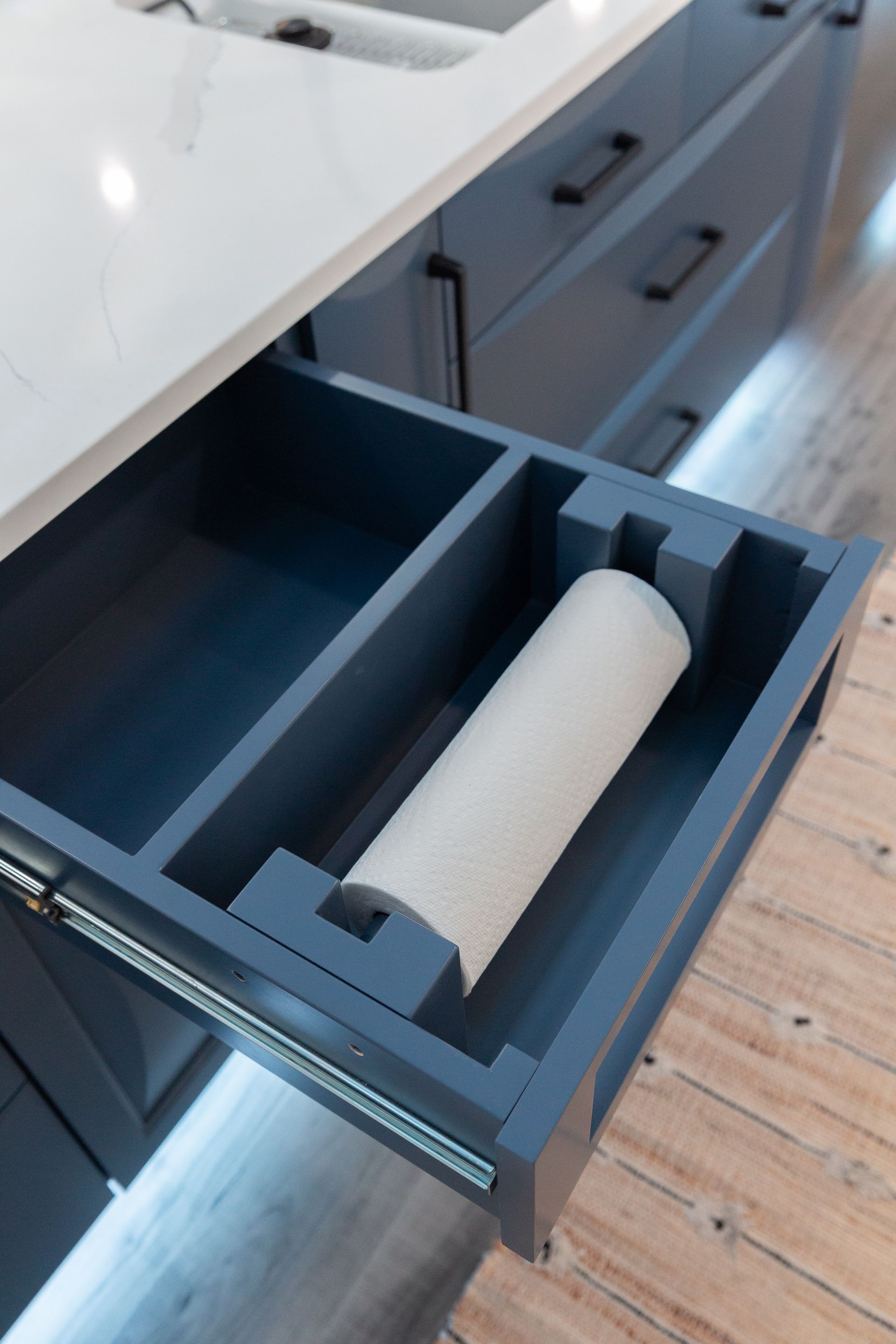
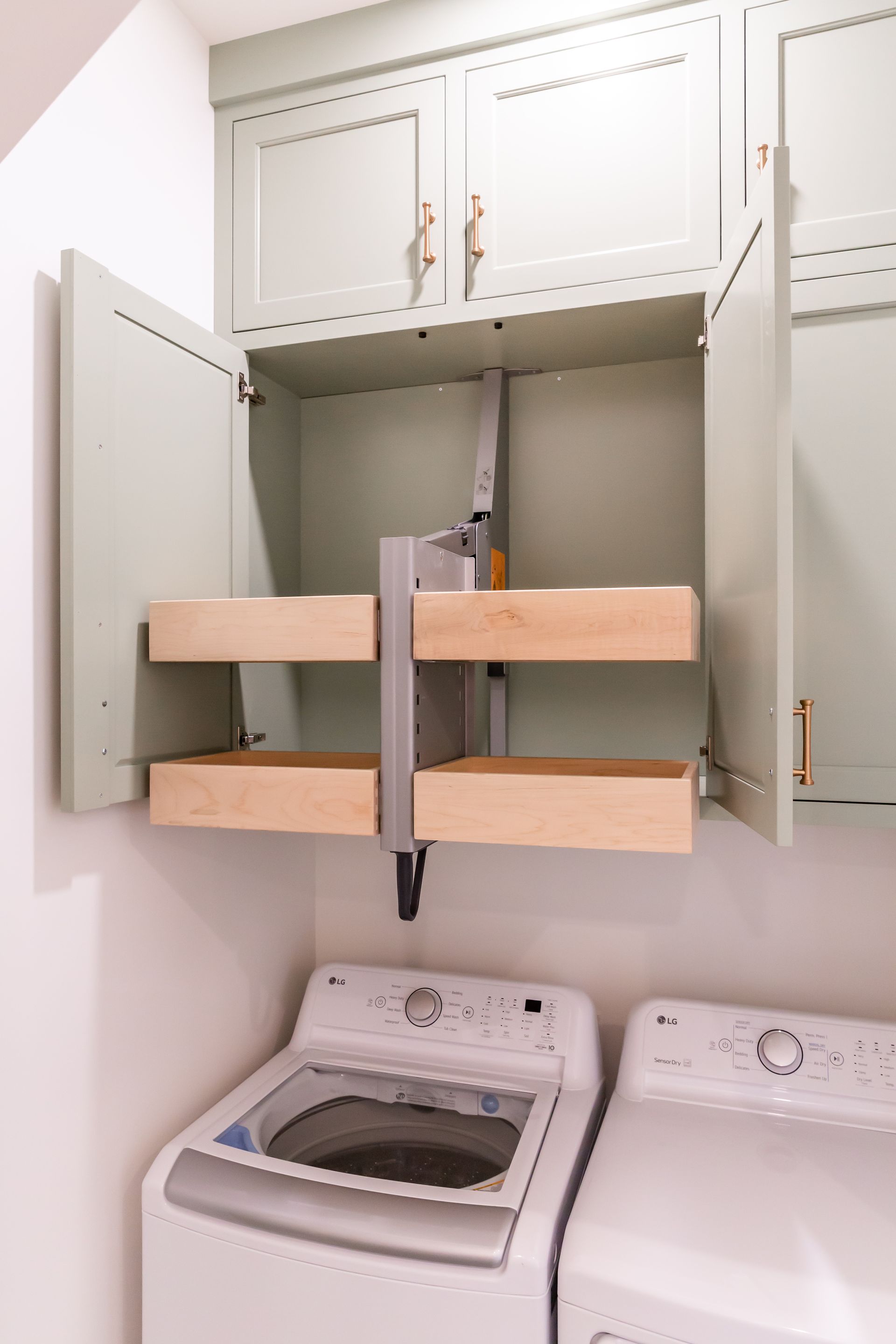
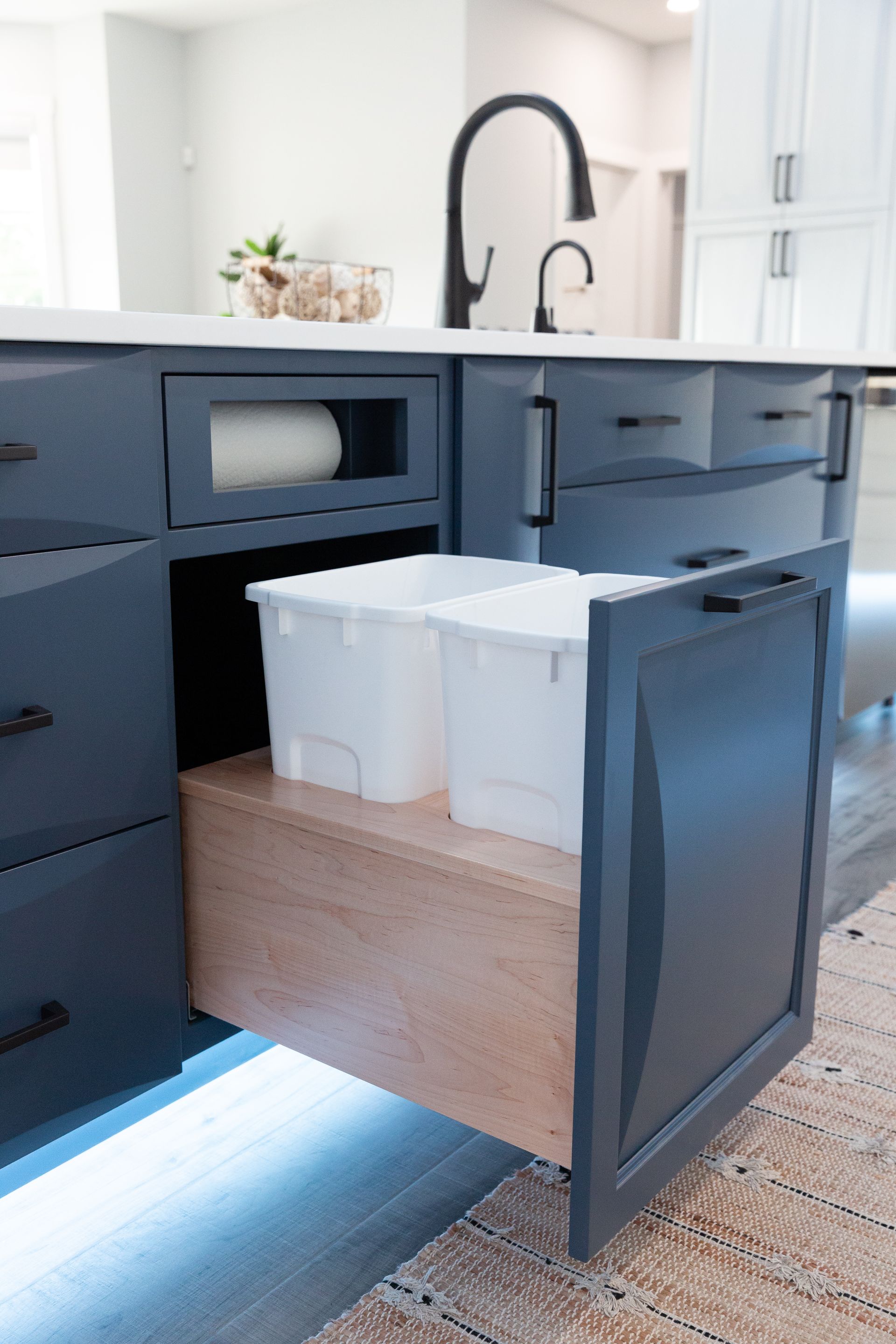
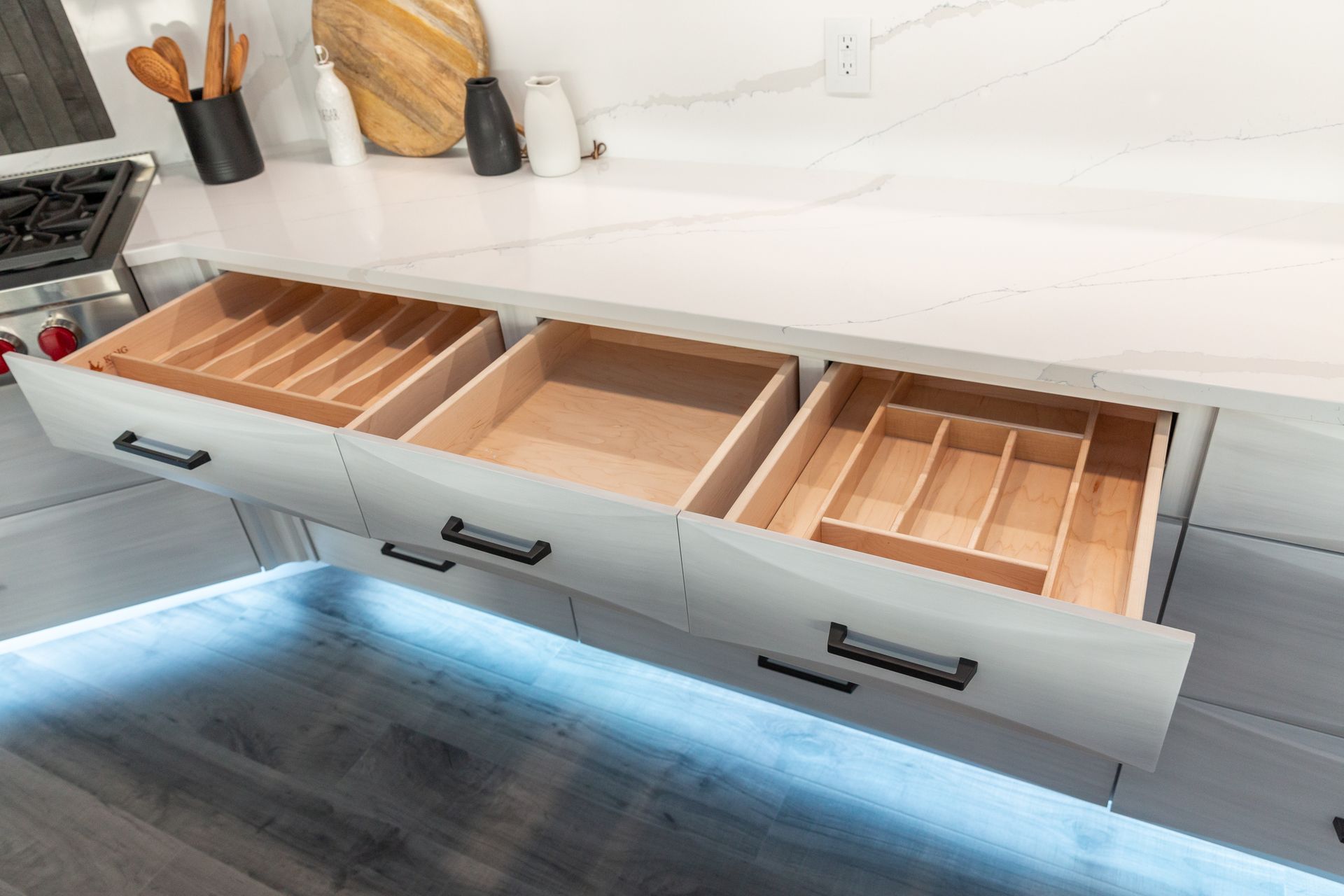
We had a wonderful experience working with King Cabinets. The quality of our new kitchen cabinets is outstanding and working with Harlan was delightful. I would highly recommend them, you will not be sorry.
a year ago
Serving South Bend & the Notre Dame Corridor
South Bend's finest homes range from brand-new construction near Notre Dame and Granger to century-old homes in Twyckenham Hills and Sunnymede. King Cabinets hand-builds for both — hand-cut joinery, hand-sprayed finishes, real hardwoods — from our Warsaw shop.
Based on 4 reviews
Monica Loegel
We had a wonderful experience working with King Cabinets. The quality of our new kitchen cabinets is outstanding and working with Harlan was delightful. I would highly recommend them, you will not be sorry.
a year ago
Chris Moore
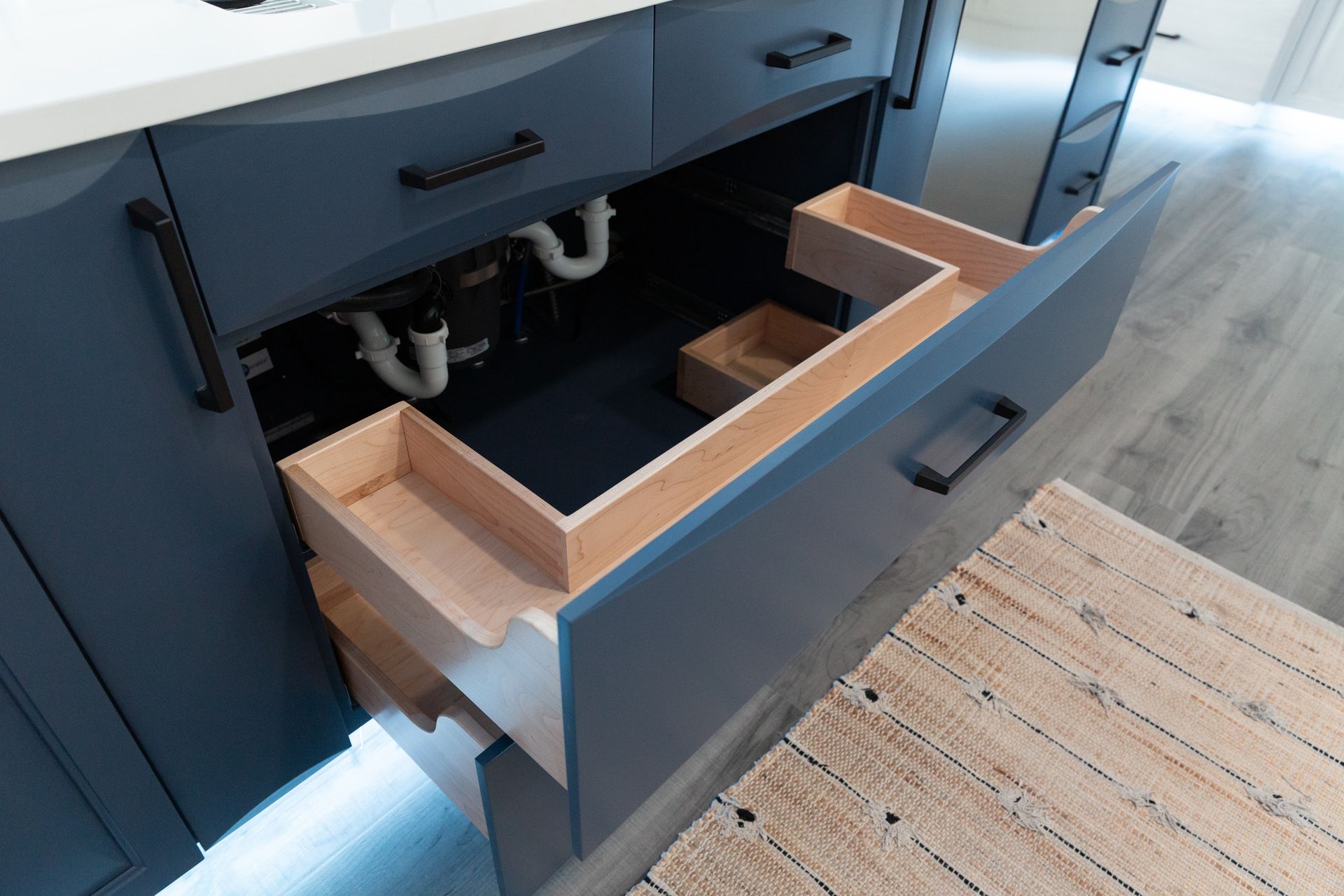
King Cabinets provides a tremendous well rounded service to their customers. We showed King cabinets an inspiration photo of a wet bar, entertainment center and bathroom vanity and they far exceeded our expectations. We would recommend King Cabinets without reservation to anyone.
3 months ago
Daniel Michael Holderman
Positive
Responsiveness, Quality, Professionalism
Services
Cabinet design, Cabinet installation, Custom cabinet design & installation
5 years ago
Welcome to King Cabinets
A new-construction kitchen in a Granger estate build and a hand-matched face-frame restoration in a 1920s Twyckenham Hills Tudor ask very different things of a cabinet maker. Most shops are built for one or the other. We build for both, the same way: hand-cut joinery, hand-sprayed finishes, and a design conversation that starts with your house — not a catalog.
South Bend's luxury cabinetry market is really three overlapping markets. There are Notre Dame-adjacent Granger buyers building new construction with millwork throughout the home.
There are historic-district homeowners in Twyckenham Hills, Sunnymede, and the East Washington Street Historic District restoring or upgrading period kitchens without erasing what makes the house special. And there's a smaller, steady segment of interior designers and custom builders who need a fabrication partner they can hand a project to with confidence. We build for all three without diluting the craft-first approach that makes the work worth choosing.
South Bend's luxury buyer isn't shopping for status — they're shopping for certainty. A kitchen renovation, whether it's a $90,000 new-construction package or a historic-home restoration of similar scope, is one of the largest and least reversible purchases most households will make. What separates a shop worth hiring from one worth passing on isn't a lower price or a faster timeline — it's whether the buyer can trust the finished product to hold up the way it was promised, five and fifteen years out.
Every King Cabinets project starts with hand-cut joinery, not a catalog. Our cabinet builders hand-cut each joint, aiming for seams that read as close to imperceptible as true craftsmanship allows — the kind of detail that separates a hand-built shop from a dealer reselling boxes with a custom label on them.
We hand-spray every finish in our dust-free finish room, using a polyurethane top coat designed to move with the wood rather than crack against it as it expands and contracts with the seasons. Many shops have switched to automated spray booths because it's faster. We haven't, because a human hand catches details a machine passes over. [Read more about The Royal Difference →]
Our roots trace back to Marlin Miller and Millwood Construction — a family business built on the belief that quality workmanship changes the way people live in their homes. That same standard carries through every King Cabinets project today, whether it's a Granger new build or a Twyckenham Hills restoration.
Century-old homes weren't built for stock cabinetry, and they rarely forgive it when it's installed anyway. South Bend's historic inventory—Italianate, Colonial Revival, American Foursquare, Craftsman, and Tudor homes, many dating to the 1900s–1940s—call for cabinetry that respects the original architecture rather than fighting it.
That means matching original face-frame profiles instead of a generic modern one. It means hand-fitting inset doors into openings that were never perfectly square to begin with because the house has settled for a hundred years the way old houses do. It means understanding that a national kitchen chain's idea of "opening up the space" often means removing something structural or historically significant that a local shop would recognize immediately.
Homeowners restoring these houses aren't buying luxury as a status symbol — they're buying stewardship. The winning approach isn't flash; it's fluency: knowing how to honor quarter-sawn oak character, match ninety-year-old millwork profiles, and design cabinetry that fits imperfect openings because it was built for those exact openings, not adapted from a stock size.
We've seen the alternative play out too often to pretend it isn't a real risk: a national kitchen chain walks in, suggests "opening up" a wall without recognizing it's load-bearing or historically significant, and a homeowner ends up with regret they can't undo. A shop that builds by hand and takes the time to assess a home's original architecture before designing anything, catches those details before they become a problem—not after.
South Bend's luxury pockets aren't interchangeable — a Twyckenham Hills restoration and a Granger new build call for very different conversations. Below is what we typically see, and how we approach each one.
These South Bend neighborhoods hold some of the city's most architecturally significant homes — 1920s and 1930s construction with original millwork that deserves a cabinet maker who can match it, not replace it with something that merely resembles it.
Granger's new-construction communities are where South Bend's newest wealth is building from the ground up. Notre Dame's continued growth — faculty relocations, medical and athletic-department hires, and steady expansion — feeds a consistent pipeline of households whose first major home project is almost always the kitchen.
Established, architecturally distinct South Bend neighborhoods where homeowners are typically renovating a kitchen that's aged out of step with the rest of a well-maintained, high-value home.
One of South Bend's most protected and architecturally significant districts. Cabinetry here requires genuine period sensitivity — not a "farmhouse" reinterpretation, but a real understanding of the home's original design language.
The step-down tier from South Bend's top submarkets, but still strong territory for kitchen renovation work — a broader mix of budgets and project scopes, from full kitchen replacements to targeted vanity and built-in upgrades.
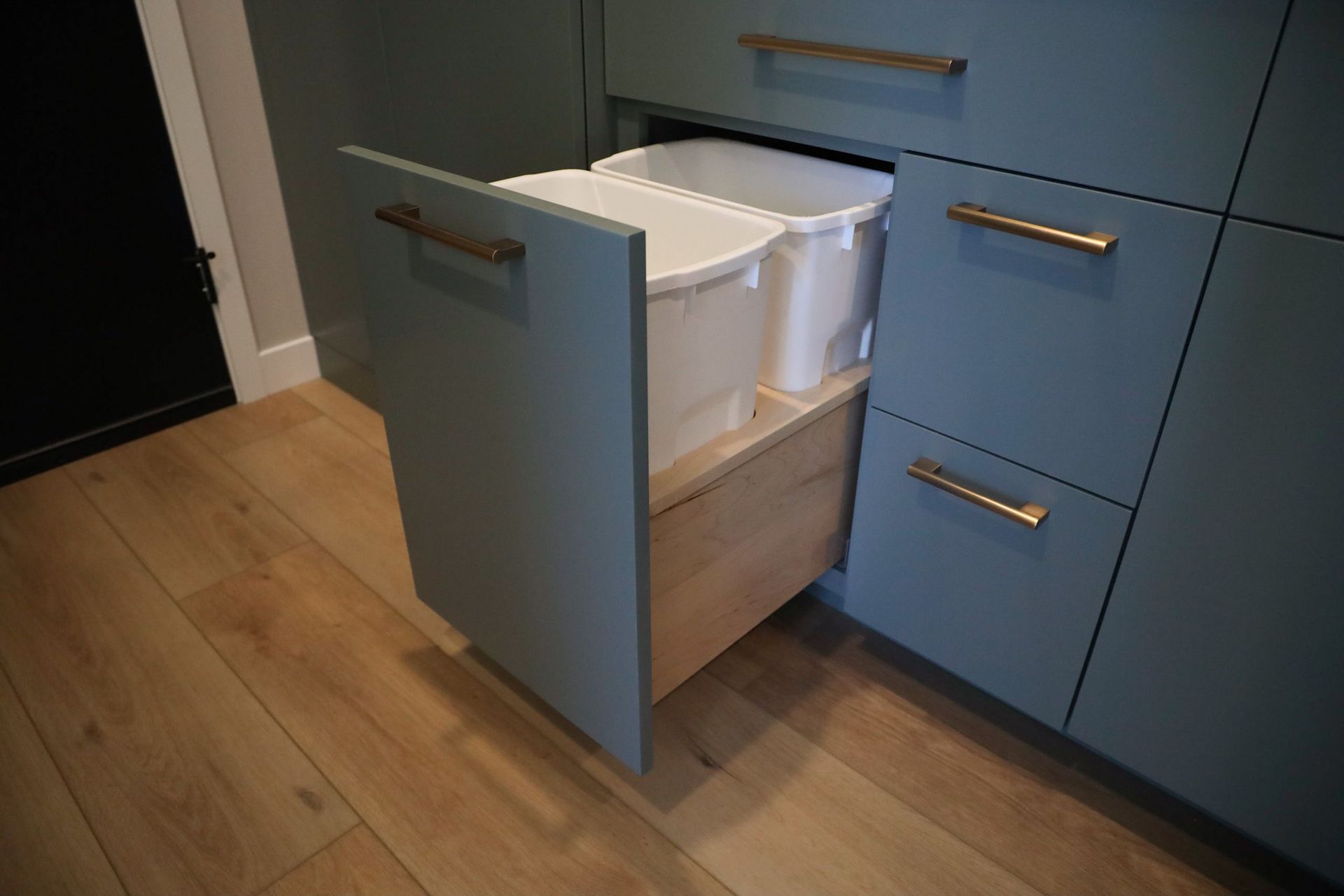
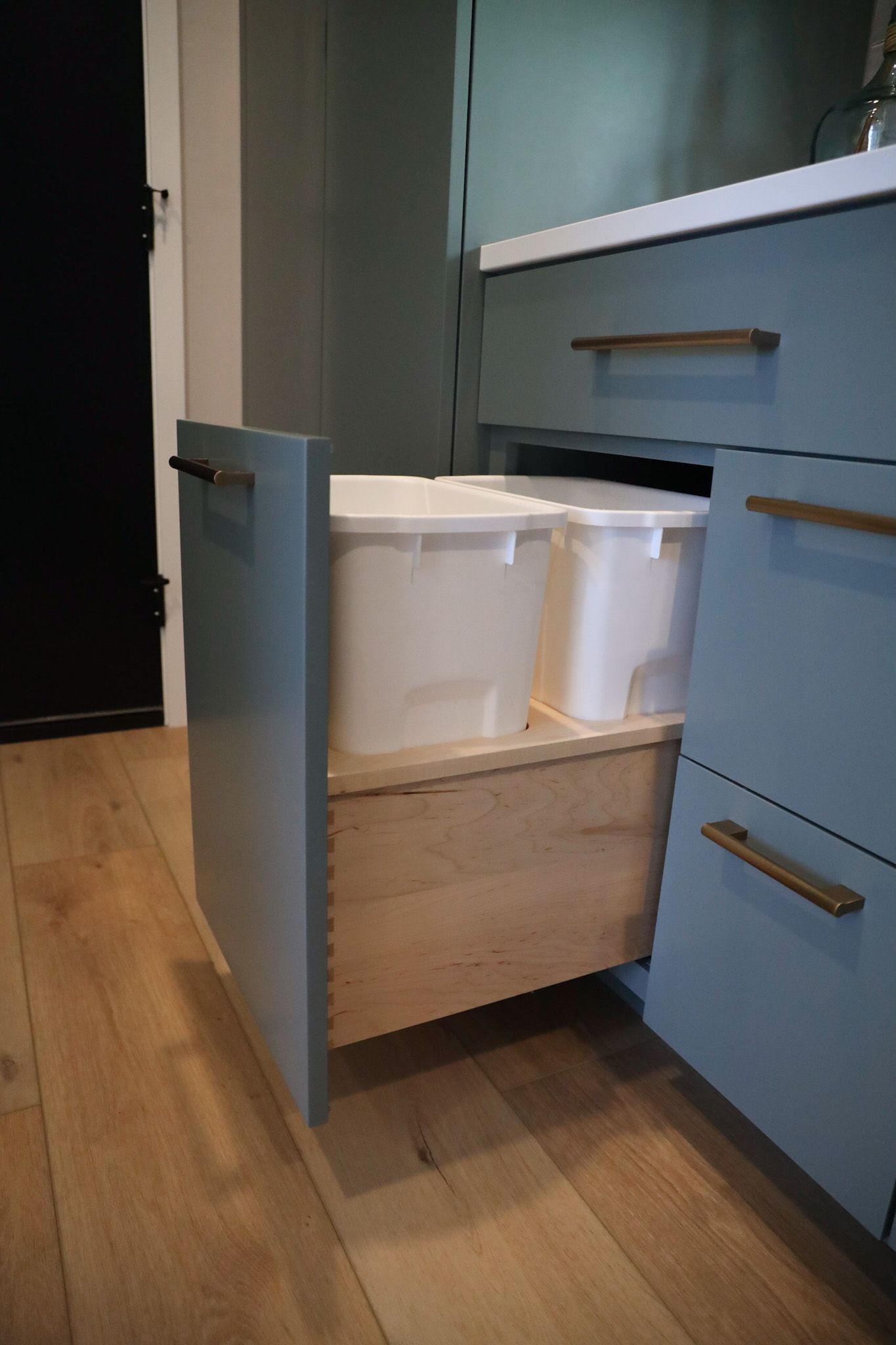
A kitchen renovation is one of the largest discretionary purchases most households make outside the home itself — and for historic-home owners in particular, it's a decision that's genuinely hard to undo once original material is removed. We build with that weight in mind: full-extension soft-close hardware, drawer boxes built to hold up under daily use, and finishes tested to resist the yellowing and cracking that shows up in lesser cabinetry after a few years. The goal isn't a kitchen that looks impressive on install day — it's one that still looks and functions the same way a decade from now, whether it's sitting in a 2020s Granger build or a 1928 Twyckenham Hills Tudor.
South Bend's design conversation spans two distinct vocabularies, and we're fluent in both. For new-construction Granger clients, that often means two-tone kitchens pairing a stained walnut or white oak island against painted perimeter cabinetry, true inset door construction, integrated appliance panels, and statement range hoods finished in plaster or matched cabinet wood. For historic-district clients, it means quarter-sawn white oak, period-correct face-frame profiles, glass-front hutch details, and beaded panel work that respects, rather than reinterprets, the home's original architecture.
We build primarily in solid hardwoods—white oak, walnut, cherry, and painted poplar—chosen for grain character as much as durability. Whether you're specifying finishes for a new build or trying to match a wood tone that's ninety years old, the wood species and finish conversation happens early, with real samples in hand, not from a photo on a screen.
STEP 1
We start by understanding your home — its architecture, its era, and how you actually want to live in it. For historic homes, this includes assessing original millwork and door profiles before a single line is drawn. For new construction, it means working alongside your builder or designer from an early stage.
STEP 2
Once the design is set, every piece is built by hand in our Warsaw shop — real hardwood, hand-cut joinery, and construction methods chosen for how the cabinetry will hold up over decades, not just how it photographs on install day.
STEP 3
Every cabinet and door is hand-sprayed, not run through an automated booth. For historic-restoration work, this often means matching an existing finish profile as closely as hand-finishing allows.
STEP 4
The team that designed and built your cabinets installs them — no handoff to a subcontracted crew meeting the project for the first time.
Questions we hear most often from homeowners in South Bend and the surrounding area.
Matching historic profiles is one of the most demanding parts of custom cabinetry, and it's exactly the kind of work a hand-built shop is suited for. We assess your home's existing millwork and design cabinetry that fits — visually and physically — into openings that were never built to a modern standard size.
Yes. We're glad to be part of the conversation from an early stage, working alongside your builder's schedule and your designer's specifications rather than being brought in after the fact.
Our shop is in Warsaw, roughly an hour from South Bend. We build our project schedule and site visits around your home, not the other way around.
No — we also build bathroom vanities, built-in libraries and offices, butler's pantries, and whole-home millwork packages. For historic homes especially, matching cabinetry across multiple rooms with one consistent hand is often part of the value.
Most of our South Bend projects will likely be exactly that — a kitchen that's aged out of step with the rest of a well-maintained home. The same hand-built approach applies whether the house is from 1925 or 2005.
Yes — especially for historic homes, where existing millwork, wall squareness, and original door profiles all inform the design in ways a set of photos can't capture. We assess the space in person before any design work begins.
Yes. We're used to being one part of a larger project team and coordinate directly with your builder's schedule or your designer's specifications rather than working around them.
Let's begin
Building your dream cabinets is King Cabinets' business. Tell us about your space and we'll walk you through design, materials, and finish.
Show Room Location
2466 N County Road 200 W, Warsaw, IN 46580, United States of America
All Rights Reserved | King Cabinets, Powered by Snapps